
The Beat Is Irrelevant
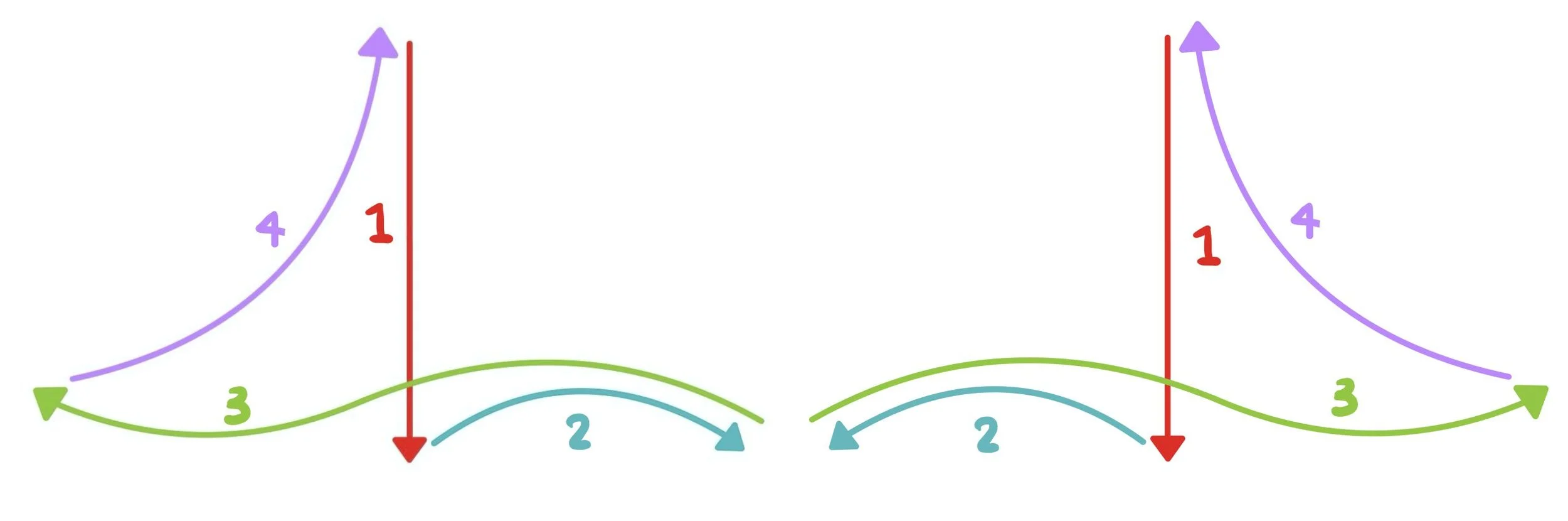
Well—not entirely.
But perhaps not in the way we often think.
Much of conducting is taught through the beat.
Patterns.
Clarity.
Precision.
And rightly so.
The beat gives structure.
It provides coordination.
It helps ensembles stay together.
But if we are not careful, it can also become the focus.
And when that happens, something is lost.
Because music is not made of beats.
It is made of line.
Of shape.
Of energy.
Of intention.
A perfectly clear beat does not guarantee a musical performance.
It can, in fact, lead to something quite static.
Predictable.
Controlled.
But lacking direction.
Choirs do not sing the beat.
They sing what the beat represents.
If gesture becomes only about marking time, it stops communicating anything beyond organisation.
And the choir responds accordingly.
The question is not:
Is my beat clear?
But:
What is my gesture saying?
Does it show direction?
Does it invite sound?
Does it communicate character?
Or does it simply indicate where the next pulse is?
There are moments where the beat matters greatly.
Entries need clarity.
Complex passages need structure.
But even then, it is not enough on its own.
What sits around the beat is what gives it meaning.
The preparation.
The release.
The space between.
Often, the most effective gesture is not the one that shows the beat most clearly—
but the one that shows the music most clearly.
When singers understand the shape, the energy, and the intention, they do not need to rely on the beat in the same way.
They begin to move with the music.
So yes—the beat matters.
But only as part of something larger.
Because ultimately, the role of the conductor is not to keep time.
It is to shape sound.
Peter Futcher
