
Who Is Really Listening?
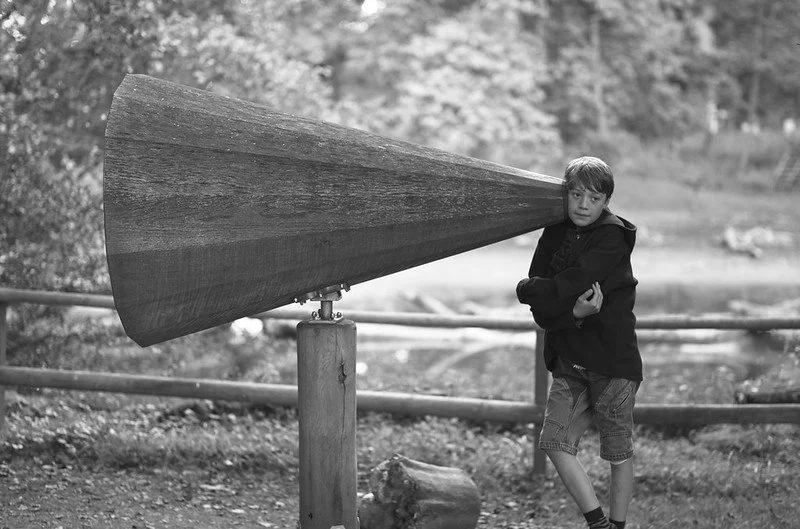
In choral rehearsals, we talk a lot about listening.
“Listen across the choir.”
“Listen for balance.”
“Listen and adjust.”
But what does that actually mean?
Listening is often treated as a technical skill.
Hearing pitch.
Matching vowel.
Balancing parts.
Important, of course.
But listening is more than correction.
Listening is awareness.
It is how singers connect to each other.
It is how ensemble is built.
In some rehearsals, listening is passive.
Singers focus on their own line.
They wait for instruction.
They respond when asked.
But they are not fully engaged with the sound around them.
In others, listening is active.
Singers are aware of the whole texture.
They adjust instinctively.
They respond in real time.
The sound becomes flexible.
Alive.
This kind of listening doesn’t happen by accident.
It is shaped in rehearsal.
What are we asking singers to listen for?
Only accuracy?
Or also colour, energy, and direction?
What space are we giving them to listen?
If rehearsal is constant instruction, there is no time to hear.
If we allow space—even briefly—the ensemble begins to take ownership.
Where is the responsibility?
Is listening something the conductor checks?
Or something the choir does?
Gesture plays a role here too.
A gesture that invites listening creates a different response from one that controls.
The less we dictate, the more the choir begins to engage with each other.
Listening is not just a tool.
It is the foundation of ensemble.
When singers truly listen:
tuning improves
balance adjusts
phrasing aligns
musical intention becomes shared
The result is not just a better performance.
It is a more connected one.
So the question is not simply:
Are they listening?
But:
How are they listening?
Because that is what shapes the sound.
Peter Futcher
