
Gesture Shapes Sound
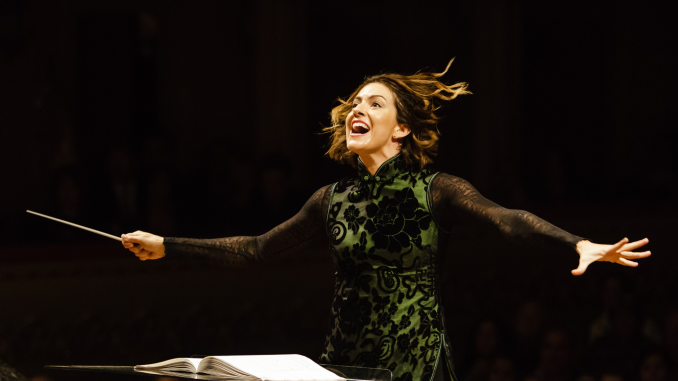
Gesture shapes sound.
It’s a simple idea—but one that sits at the heart of effective choral conducting.
Every movement we make communicates something.
Shape. Energy. Intention. Character.
And whether we realise it or not, the choir responds.
Too often, gesture is treated as a way of keeping time.
Clear beats. Consistent patterns. Predictable movement.
But if that is all gesture does, then the sound it produces will reflect that.
Accurate. Controlled.
But limited.
Gesture is not just about clarity.
It is about invitation.
What are you asking the choir to do?
What kind of sound are you inviting?
What kind of energy are you creating in the moment?
A lifted gesture can create space.
A grounded gesture can bring weight.
A flowing gesture can shape line.
A contained gesture can focus sound.
The choir doesn’t just follow the beat—they respond to what they see and feel.
This is where conducting becomes more than coordination.
It becomes communication.
And when that communication is clear, intentional, and connected, something shifts.
The sound becomes more responsive.
More alive.
More unified.
In rehearsal, this means paying attention not just to what the choir is doing—but to what you are showing.
Is your gesture aligned with the sound you want?
Does it reflect the character of the music?
Is it giving the choir something to respond to?
Small changes in gesture can lead to significant changes in sound.
Not because the choir is being told what to do—but because they are being shown.
Gesture shapes sound.
And when gesture is intentional, the music begins to take on shape, direction, and meaning in a way that goes beyond instruction.
It becomes shared.
Peter Futcher
